Liver – The body's own chemical factory
The liver is one of the most important metabolic organs in the human body. It is involved in a multitude of biochemical processes and plays a central role in the processing of nutrients, the storage of certain vitamins, and the regulation of energy metabolism.
What functions does the liver perform?
The liver is involved in several hundred enzymatic reactions. Its central functions include, among others:
- Conversion of carbohydrates, fats and proteins
- Storage of vitamins and trace elements
- Involvement in fat and cholesterol metabolism
- Production of vital proteins
Review articles in the scientific literature therefore often describe the liver as a kind of "biochemical control center" of the body. ( PubMed Central )
Nutrition and liver metabolism
The relationship between diet and liver function is the subject of numerous scientific studies. A balanced diet with an adequate supply of micronutrients is frequently described in the literature as part of a healthy lifestyle.
Studies indicate that plant-based foods, phytochemicals, and certain vitamins and trace elements play a particularly important role in nutrition. ( MDPI – Nutrients )
Plant ingredients in a scientific context
Certain plants are traditionally considered in connection with nutrition and metabolism. Specialized portals such as the Center for Health summarize scientific findings and nutritional background information on this topic.
These sources do not describe the plants mentioned as medicinal products, but rather classify them within the context of a conscious and nutrient-rich diet.
Which nutrients are important for the liver?
In addition to plant-based ingredients, scientific studies also focus on micronutrients involved in enzymatic processes. B vitamins such as riboflavin (vitamin B2), vitamin B6, and vitamin B12 are generally known for their role in energy metabolism.
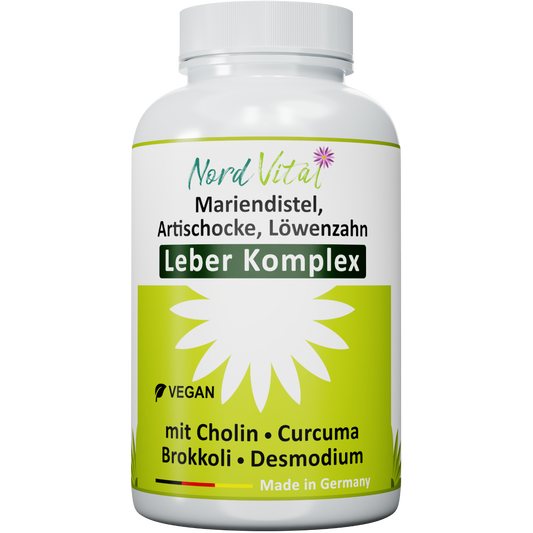
Trace elements such as manganese and chromium are being investigated in research in connection with various metabolic processes. Secondary plant compounds from turmeric, black garlic, or black pepper are also the focus of current studies.
EFSA and approved health claims
In the European Union, health-related claims may only be used if they have been scientifically reviewed and approved by the European Food Safety Authority (EFSA).
An example of such an approved health claim concerns choline : According to the EU Register of Health Claims, choline contributes to the maintenance of normal liver function .
This statement refers exclusively to choline and may only be used in compliance with legal requirements.
Knowledge-based nutrition instead of health promises
Reliable nutritional information clearly distinguishes between approved health claims and general scientific findings. A conscious selection of foods and nutrients can be part of a healthy lifestyle without making any medical or therapeutic promises.
Further information on selected micronutrients and plant-based ingredients can be found in scientific literature as well as in specialized online portals.
Note: This article is for general information purposes only. It does not replace medical advice and contains no claims regarding the treatment or prevention of diseases as defined by the EU Health Claims Regulation.