Metabolism is the process of extracting energy from food and drinks and is essential for a healthy life. In this article, you will learn how to naturally boost your metabolic rate and improve your metabolic health.
What is metabolism?
The body uses ingested food and oxygen to produce energy. This process is also known as the basal metabolic rate (BMR) and allows the body to use energy even at rest.
Factors that influence metabolic rate:
Genetics:
The metabolic rate varies genetically from person to person.
Age:
As we age, the metabolic rate tends to slow down.
Gender:
Men generally have a faster metabolic rate than women.
Body composition:
People with a higher muscle mass have a higher metabolic rate.
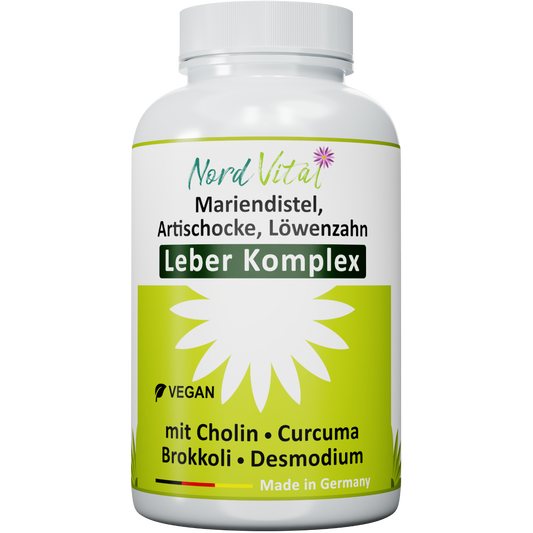
The liver's importance for metabolism: The liver is a central organ for metabolism and plays a crucial role in regulating blood sugar, processing lipids and proteins, and detoxifying the body. It stores and manages essential nutrients such as vitamins and minerals and is significantly involved in converting food into energy. Healthy liver function is therefore essential for energy metabolism and maintaining overall health. To learn more about the liver's diverse functions, you can read our blog post " Liver: The Body's Own Chemical Factory ."
Ways to boost your metabolism:
Regular exercise:
Cardio exercises:
Activities such as walking, running and cycling increase heart rate and speed up metabolism.
Strength training:
It increases muscle mass and therefore the resting metabolic rate.
Protein-rich diet:
High protein content:
Proteins require more energy to digest than other macronutrients, which boosts metabolism.
Sufficient water supply:
Water: Adequate hydration helps regulate body temperature and increase energy consumption.
Sufficient sleep:Sleep patterns: Regular and high-quality sleep has direct positive effects on metabolism.
EFSA -approved nutrients to support metabolism:
B vitamins (B6, B12, folic acid):
B vitamins support normal energy metabolism and help reduce tiredness. An adequate intake of these vitamins can help your body convert food into energy more efficiently.
Vitamin D:
Vitamin D contributes to normal calcium and phosphate metabolism, which is important for maintaining muscle function and thus indirectly affects the metabolic rate.
Iron:
Iron plays a central role in the production of red blood cells, which transport oxygen to the cells, essential for energy production.
Magnesium:
Magnesium supports energy metabolism and electrolyte balance, which is important for overall metabolic health.
Zinc:
Zinc plays a role in the synthesis of carbohydrates, fats, and proteins, which directly influences metabolism.
A balanced diet rich in EFSA-approved vitamins and minerals can significantly support your metabolism. By incorporating these nutrients into your daily diet, you can improve your metabolic health and enhance your well-being. To achieve the full benefits, be sure to choose products that meet the requirements for the sources of these nutrients.